Author: Colab Sports
-

Make Small Wins Move Fast
How chunking turns messy practice into clean performance
-
Dry Land That Carries Into the Lane
How resistance training choices shape front crawl speed
-
When the Water Breaks the Clock
A sprint highlight that doubles as a training blueprint
-
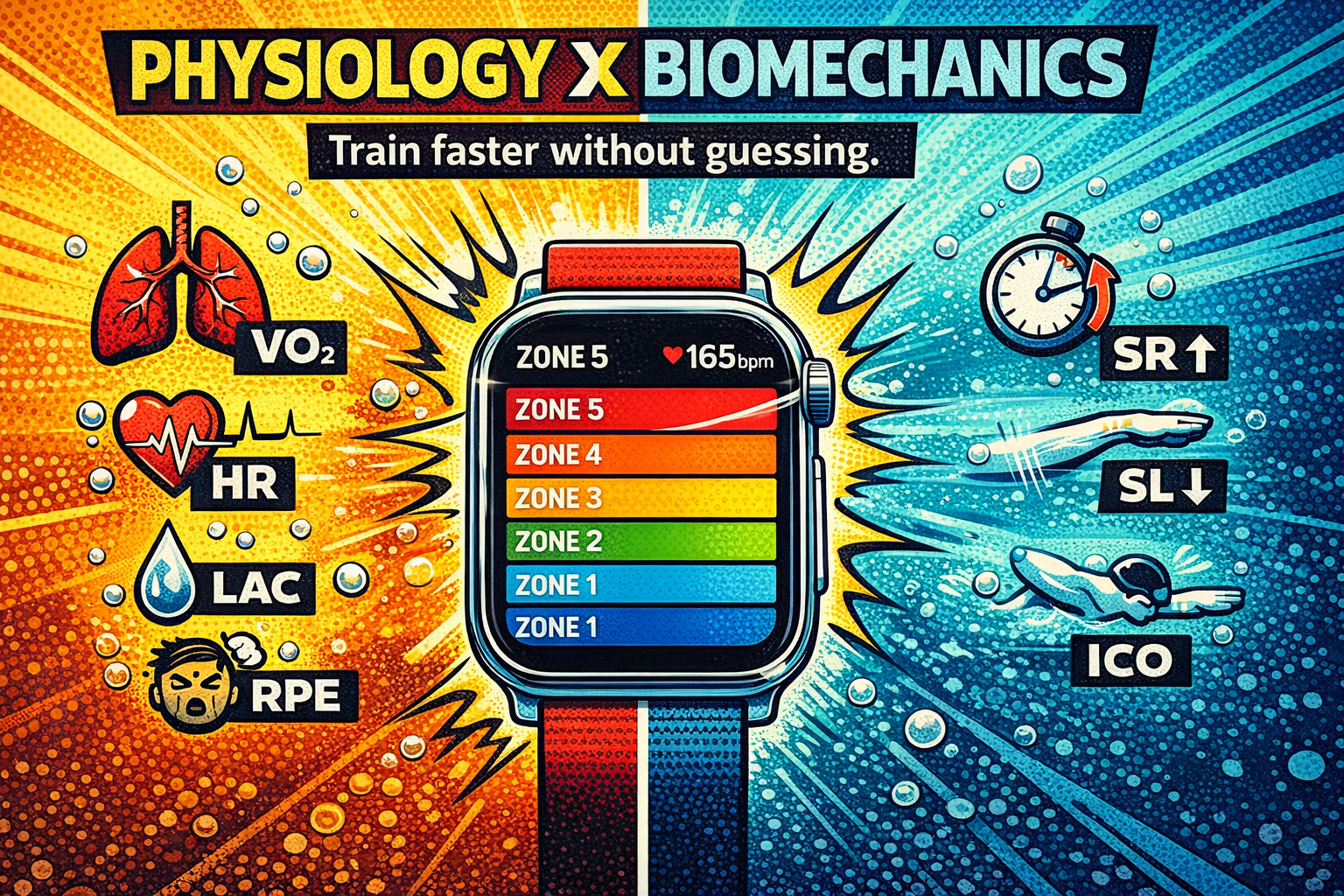
The Zone Map That Finally Fits the Water
A biophysical way to train faster without guessing
-

The Watt Beneath the Water
Freestyle biomechanics made simple enough to coach and precise enough to measure
-
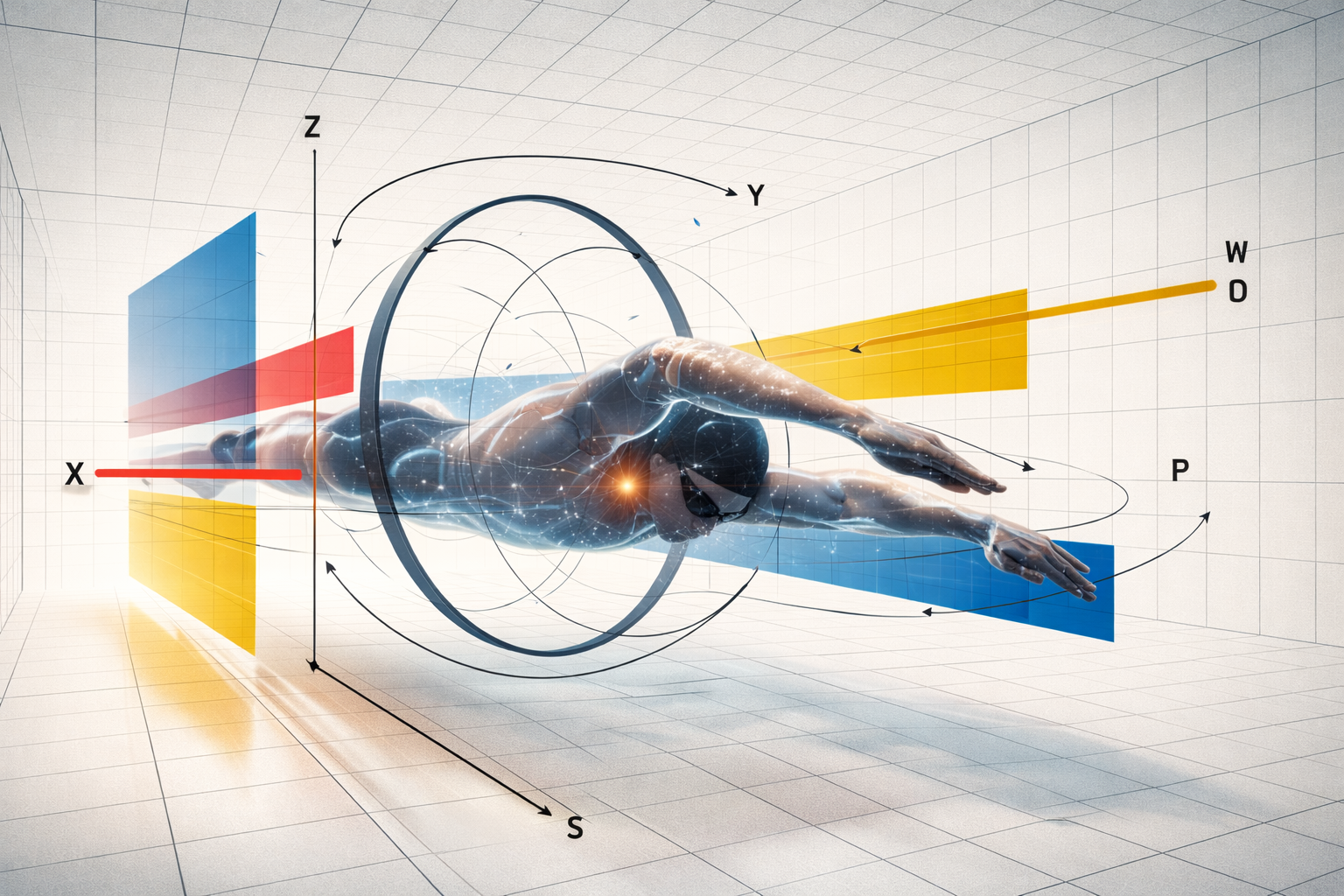
Swimming in 6 degrees of freedom
How immersive video modeling can sharpen technique and inspire a modern training loop
-

HRV and Resting HR Explained Without the Nonsense
Learn what these two signals can tell you, what they cannot, and how to make calmer training decisions when they disagree.
-

When to Adjust Training vs Hold Steady
A practical playbook for changing the plan only when the trend demands it, not when a single workout feels weird.
-

Why Movement Changes Lag Fitness (and How to Spot It)
Learn to tell when your engine is improving faster than your technique so you can keep form intact when fatigue shows up.
-

Readiness Signals That Matter (and the Ones That Mislead)
Key takeaway is the two of three filter. Before you change your plan, confirm that two signals agree across a few days, sleep, resting heart metrics like resting heart rate or HRV, and session RPE.